Selling raw produce leaves money on the table
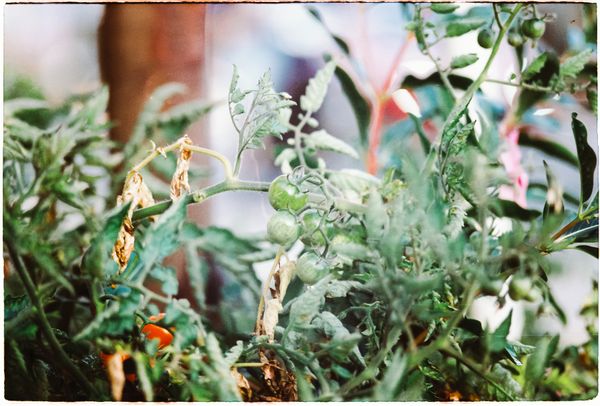
A kilogram of fresh tomatoes sold at market day earns a member one price. The same kilogram, turned into sun-dried tomatoes or a simple preserved sauce, can earn considerably more per kilogram, sold over a longer window rather than all at once during a short harvest glut when prices are typically lowest.
Simple processing members are already doing
Several member households have started basic drying and preservation of surplus vegetables during glut periods, extending the sale window well past the harvest itself and avoiding the steep price drop that comes when everyone's produce ripens at the same time. Others have begun making simple value-added products — dried herb mixes, basic vegetable powders — using equipment no more complex than a drying rack and consistent sun exposure.
What it takes to start
Value addition does not require industrial equipment to begin. A simple raised drying rack, food-safe storage containers, and basic hygiene practices are enough for a household to start preserving surplus produce rather than selling it at a loss during a glut or letting it spoil unsold.
The main investment is time and consistency rather than capital, which makes value addition a realistic next step for members who have already stabilized their basic vegetable production and are looking for the next way to increase household income from the same plot.
Where this is heading
As more members take up basic value addition, we are exploring whether a shared processing point — rather than each household investing individually — could lower the entry cost further and open access to slightly larger buyers who want consistent volume. This is still an early conversation, but it follows the same cooperative logic behind our group input buying program.
Pricing dried and preserved products
Members new to value addition often struggle with pricing a dried or preserved product, since there is no obvious market reference point the way there is for fresh produce at a familiar market day stall. We advise starting from a simple cost-plus approach: total the cost of the raw produce used, plus a fair estimate of the time invested in drying and packaging, then add a reasonable margin, rather than guessing at a price based on impression alone.
Once a member has sold a first small batch, actual buyer response — how quickly it sold, what price buyers pushed back on — becomes a far more useful pricing guide than any initial estimate, and we encourage members to treat their first few batches partly as market research, adjusting price and packaging based on what they observe rather than locking in a single price permanently from the very first sale.
Packaging considerations for dried products
Simple, clean packaging matters more to buyer confidence for a dried or preserved product than it does for fresh produce sold loose at a market stall, since a buyer cannot easily judge freshness or quality of a processed product by sight and touch the same way they can with a fresh vegetable. A clearly labelled, clean container or bag, even a simple one, meaningfully increases buyer trust compared with an unlabelled, loose presentation.
We advise new value-addition sellers to invest a small amount in basic, consistent packaging — reused clean jars or simple sealed bags — before their first sale, since first impressions with a new product category matter disproportionately for building the kind of repeat buyer relationships that make value addition worthwhile over time.
Value addition works best as a second step rather than a first one. Members who try to process produce before their basic vegetable growing is stable often find themselves stretched too thin across two unfamiliar skills at once. Getting comfortable with consistent, reliable harvests first, then adding basic preservation once that foundation is solid, is the sequence we generally recommend to members asking where to start. We continue to look at whether additional value-added product types beyond drying — simple jams or sauces, for example — might be worth introducing to training in the future, though we are deliberately cautious about adding new techniques faster than our volunteer trainer capacity can properly support teaching them well.
Key takeaways
- Processed or preserved produce often earns more per kilogram than raw sales at glut times.
- Simple drying and preservation extend the sale window well past the harvest itself.
- A basic drying rack and food-safe storage are enough to start.
- The main investment needed is consistency and time rather than capital.
Frequently asked questions
What equipment do I need to start value addition?
A simple raised drying rack, food-safe storage containers, and consistent hygiene practices are enough to begin preserving surplus produce.
Is value addition worth it for a small household garden?
It becomes worthwhile once basic vegetable production is stable and a household is looking for the next way to increase income from the same plot.
How long do dried products last in storage?
Properly dried and stored produce can last several months, though quality and flavour are best within the first few months.