Income is not the only benefit we measure
When we talk about the impact of a kitchen garden or sack garden, the conversation often centres on the money a household saves or earns. Just as important, and less frequently discussed, is what a consistent supply of fresh vegetables does for a household's actual nutrition, particularly for children.
What member households are actually eating
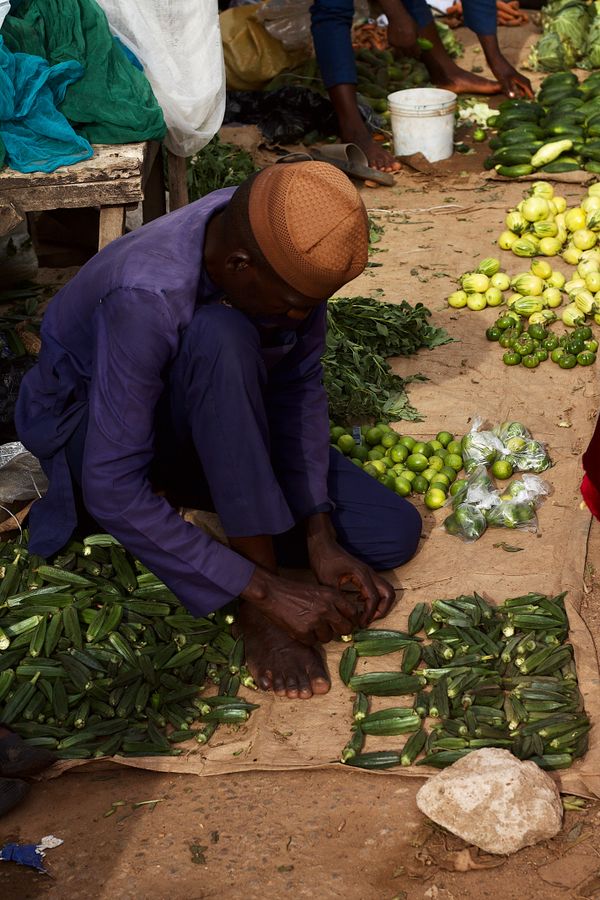
Households running an active kitchen garden report eating fresh vegetables — kale, spinach, African nightshade, amaranth — considerably more often than before starting, simply because the produce is available in the yard rather than requiring a market trip and a cash outlay each time it is wanted. This shifts vegetables from an occasional purchase to a daily, low-friction option.
Several of the crops we most commonly recommend, particularly indigenous leafy vegetables covered in our dry-season crop article, are also notably nutrient-dense compared with some more commonly purchased alternatives, adding a nutritional benefit on top of the resilience benefit that first led us to recommend them.
Food security beyond the individual household
Beyond individual household nutrition, our group buying and seed bank programs help spread food security risk across the wider membership — if one household's crop fails in a season, established relationships with neighbouring member farmers, and shared access to resilient seed varieties, provide a buffer that an isolated household farming alone would not have.
Where this connects to our other programs
Nutrition and food security are, in effect, the underlying purpose behind nearly every technical program we run — sack gardening, composting, water conservation — even when the immediate framing of a given training session is a specific farming technique rather than nutrition directly. A better kitchen garden is, ultimately, a better-fed household.
What a typical week's meals look like with an active garden
To make this concrete rather than abstract, several member households have described a typical week's meals once their garden was established: kale or spinach featuring in most dinners rather than being an occasional addition, African nightshade or amaranth appearing at least once or twice a week, and a noticeably reduced reliance on the same few, cheaper starchy staples that had previously filled gaps when fresh vegetables were too expensive or inconvenient to buy regularly.
This kind of shift, while modest on paper, represents a real, sustained change in a household's actual diet rather than an occasional treat, and it is the change several long-time members describe as the most immediately felt benefit of their garden, ahead of the income it may also generate.
Working with health workers in the area
We have begun occasional informal coordination with community health workers active in Babadogo, who sometimes refer households facing nutrition-related concerns toward our kitchen garden training as one practical, ongoing response alongside whatever direct support the health worker themselves can offer. This is not yet a formal partnership in the way our school and church garden work has become, but it reflects the same underlying logic of connecting our garden training to wherever a genuine, existing need already exists in the community.
We would be interested in formalizing this kind of coordination further as both sides build more experience working together, similar to how our county extension relationship developed from informal contact into the more structured partnership covered in a separate announcement.
We are cautious about overstating what a single kitchen garden can solve — food security in Babadogo involves factors well beyond what any household garden addresses alone. What we can say confidently, based on what members consistently report, is that a working kitchen garden measurably improves what a household actually eats week to week, which is a meaningful outcome in its own right. We would add that nutrition outcomes, unlike some of the other metrics covered on this blog, are genuinely difficult for a volunteer-run organization to measure precisely, and we are honest that what we report here reflects member accounts and general observation rather than a formal nutritional survey, which is beyond our current capacity to conduct rigorously.
Key takeaways
- Kitchen gardens improve nutrition, not just household income.
- Fresh vegetables become a daily, low-friction option rather than an occasional purchase.
- Indigenous leafy vegetables are often notably nutrient-dense compared with alternatives.
- Group buying and seed banks spread food security risk across the wider membership.
Frequently asked questions
Does a kitchen garden really change what a household eats day to day?
Yes — members report eating fresh vegetables considerably more often once produce is available in the yard rather than requiring a market trip and cash outlay each time.
Which crops offer the best nutritional value for a small garden?
Indigenous leafy vegetables such as African nightshade and amaranth are both resilient and notably nutrient-dense compared with some commonly purchased alternatives.
Does Green Revolution Farmers run any direct food distribution programs?
Our focus is on building households' own growing capacity rather than direct food distribution, which we see as a more durable long-term approach.
Can a household without any growing space still benefit from this program?
Direct benefit requires some growing space, however small, but even a windowsill container garden can contribute meaningfully to the pattern described here.