Changing a common perception
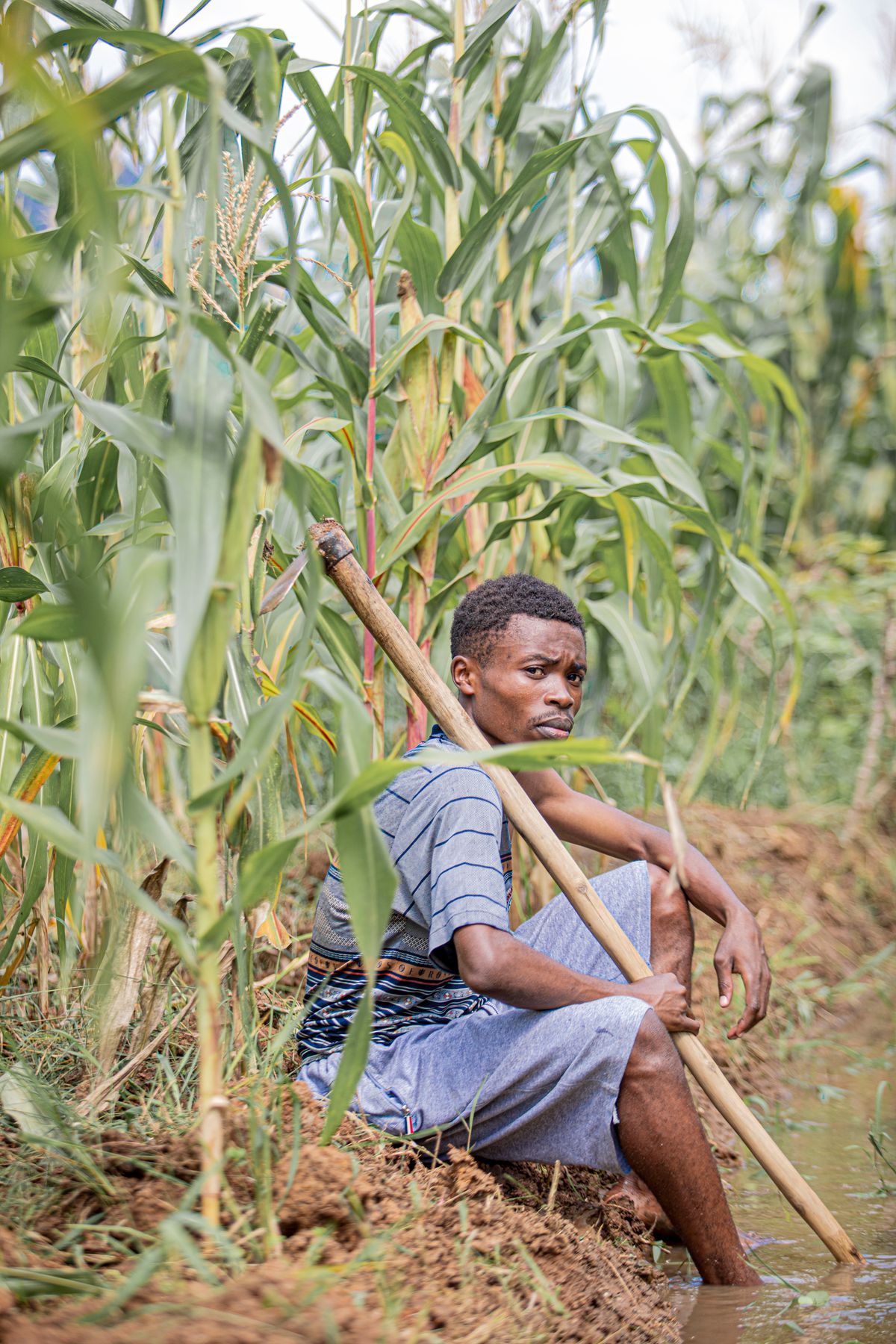
Among many young people in Babadogo, farming has historically been seen as something to fall back on if other opportunities do not work out, rather than a genuine, chosen livelihood. Our youth-in-agriculture track exists specifically to challenge that perception, by showing young residents farming methods and income models that look nothing like the subsistence farming their grandparents may have practised.
What the track actually covers
The youth track runs alongside our general training calendar but places particular emphasis on the income-generating side of farming — value addition, table banking as an entry point to savings and credit, and basic financial literacy — alongside the same core technical skills, sack gardening and composting among them, that every member learns.
We have found that young participants respond especially well to techniques with a visible, relatively fast payoff, such as sack gardening's four-to-six-week first harvest, compared with techniques that take a full season to show results.
Building toward independence, not just a skill
The track is deliberately structured to build toward a young participant eventually running their own small operation — their own sack garden, their own small flock, or their own value-added product — rather than simply attending a session and returning to whatever they were doing before. Several graduates of the track have gone on to become trainers themselves, joining a pattern we have seen with volunteers across the organization more broadly.
Why this matters for the organization's future
An organization that trains only the current generation of farmers has a limited lifespan. Building a genuine pipeline of young, engaged members who see agriculture as a real livelihood is, in a direct sense, how Green Revolution Farmers ensures its own work continues past its founding generation.
A specific example from the track
One recent youth track graduate, after two seasons focused on sack gardening and basic value addition, now runs a small but genuinely independent operation — several sacks producing kale and spinach for both household use and sale, supplemented by simple dried herb products sold alongside fresh produce at market day. What distinguishes this from an ordinary member's garden is less the scale, which remains modest, than the deliberate, planned approach to it: input costs tracked using the notebook method from our financial literacy training, savings contributed to a table banking group, and a clear sense of the operation as a genuine, if small, business rather than an informal hobby.
This kind of outcome, a young member building a small but deliberately managed operation rather than simply attending training sessions, is exactly what the youth track is designed to produce, and it is the clearest evidence we have that the track's emphasis on income-generating skills alongside technical training is working as intended.
How the track connects to our other programs
The youth track does not operate as an entirely separate program from the rest of Green Revolution Farmers' work — young participants attend the same core training sessions as other members, join the same table banking groups, and draw on the same community seed bank, with the youth track adding a specific additional layer of income-generating focus and, often, a peer group of similarly aged participants navigating the same early stage of building an independent operation.
This integrated structure means a youth track graduate does not age out of relevant support once they complete the track's specific focus — they simply continue as a full member with access to every other program the organization offers, often as one of the more actively engaged members given the momentum built during the track itself.
Changing a community's perception of farming as a genuine livelihood takes longer than any single training cohort, but the visible presence of young trainers, young table banking group leaders, and young value-addition entrepreneurs within our own membership is doing more to shift that perception locally than any amount of messaging from us as an organization could achieve alone. We are also exploring whether a more formal alumni structure for youth track graduates might help sustain the peer connections built during the track itself, since several graduates have told us that the friendships and informal support network built alongside their technical learning mattered as much to their eventual success as the training content itself.
Key takeaways
- Many young Babadogo residents see farming as a fallback rather than a chosen livelihood.
- Our youth track emphasizes income-generating skills alongside core technical training.
- Techniques with fast, visible payoff — like sack gardening — resonate especially well.
- Several youth track graduates have gone on to become trainers themselves.
Frequently asked questions
What makes the youth track different from regular training?
It places particular emphasis on income-generating skills — value addition, savings, financial literacy — alongside the same core technical training every member receives.
Can a young person build a real livelihood from this?
That is the explicit goal of the track — building toward a participant eventually running their own sack garden, flock, or value-added product independently.
What age range does the youth track serve?
It is generally aimed at members in their late teens through twenties, though we do not enforce a strict cutoff.