Guesswork is expensive
Many first-time growers apply fertilizer and manure based on habit or on whatever the last farmer told them, without knowing what their specific soil is actually short of. That guesswork is expensive twice over: money spent on nutrients the soil did not need, and yield lost from nutrients it actually lacked but never received.
What a basic soil test tells you
A basic soil test reports three things that matter most for a new grower: pH, which determines how available nutrients are to plant roots even when they are present in the soil; levels of the three major nutrients — nitrogen, phosphorus, and potassium; and general soil texture, which affects how well the soil holds water and how it should be amended.
Kenya's county agricultural offices and several accredited labs offer soil testing at a modest cost, and we help members coordinate submitting samples together, which keeps the per-household cost low, similar in spirit to our group input buying program.
Taking a sample correctly
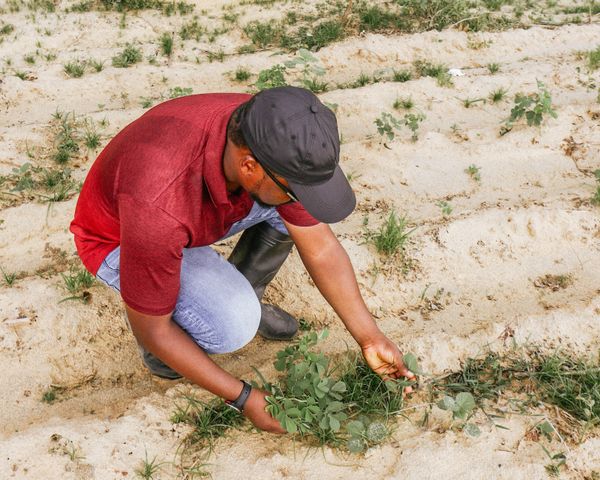
A soil test is only useful if the sample reflects the actual growing area. We teach members to take small samples from five or six spots across a plot or bed, at a consistent depth of roughly 15cm, and mix them together into a single representative sample rather than testing one spot and assuming it represents the whole area.
Acting on the results
Once results come back, our trainers help members translate the numbers into practical decisions — whether lime is needed to correct an overly acidic soil common in parts of Nairobi, whether manure alone will cover nutrient needs, or whether a specific fertilizer blend is worth the cost. For most members, the single most common finding is a need for organic matter rather than synthetic fertilizer, which is one more reason composting and soil testing tend to go hand in hand in our training calendar.
What a full soil report actually looks like
New members are sometimes intimidated by the idea of a soil test, expecting a complicated scientific document they will not be able to interpret. In practice, a basic soil report from the labs and county services our members use is short and reasonably plain — typically a single page listing pH on a simple numeric scale, nitrogen, phosphorus, and potassium levels each described as low, adequate, or high, and a brief note on soil texture. Our trainers walk new members through their first report line by line so the format becomes familiar for any future test.
Understanding this format matters because it turns an abstract recommendation like 'add organic matter' into something specific and checkable — a member can see their own nitrogen level marked low, add compost consistently for a season, then retest and see that figure move, which is a far more concrete feedback loop than simply trusting general advice.
What to do if you can't access formal testing
Not every member has easy access to a lab or county testing service, particularly those farming further from central collection points. For these members, we teach a handful of simple, informal indicators that offer rough guidance in the absence of a formal test: a jar test to estimate roughly whether soil is sandy, clay-heavy, or loamy, and observing which weeds grow readily in a plot, since certain common weeds tend to favour specific soil conditions.
These informal methods are far less precise than an actual lab test and should not replace one where access is genuinely possible, but they give a starting point for members who would otherwise be making input decisions with no information about their soil at all.
It is worth repeating that a soil test is not a one-time event. Soil chemistry shifts over seasons as crops draw down specific nutrients and as organic matter is added or depleted, so members who test every year or two, rather than once and never again, make noticeably better fertilizer and manure decisions over time. The modest cost of periodic testing is consistently smaller than the cost of a season spent guessing wrong. We would also note that soil testing is one of the more affordable interventions relative to its value — the cost of a single test is typically far less than the cost of a season's worth of unnecessary or missing fertilizer, which is the core argument we make to any member still on the fence about whether testing is worth the modest expense and effort.
Key takeaways
- Guessing at fertilizer needs wastes money on nutrients the soil may not lack.
- A basic test reports pH, major nutrient levels, and general soil texture.
- Sampling five or six spots at consistent depth gives an accurate result.
- Most tested plots in our area turn out to need organic matter more than synthetic fertilizer.
Frequently asked questions
Where can I get my soil tested in Nairobi?
County agricultural offices and several accredited labs offer testing; we help members coordinate submitting samples together to keep the per-household cost low.
How deep should a soil sample be taken from?
A consistent depth of roughly 15cm across five or six spots on the plot, mixed together into one representative sample rather than testing a single spot.
How long does it take to get results back?
Typically one to two weeks depending on the lab, which is why we advise testing well ahead of a planting season rather than right before it.