A free resource many farmers don't know exists
Nairobi County, like every county in Kenya, maintains agricultural extension officers whose job is specifically to provide farmers with free technical advice — on crop selection, pest identification, soil management, and general good practice. Many smallholder and urban farmers never make use of this resource simply because they do not know it exists or are unsure how to access it.
What an extension officer can actually help with
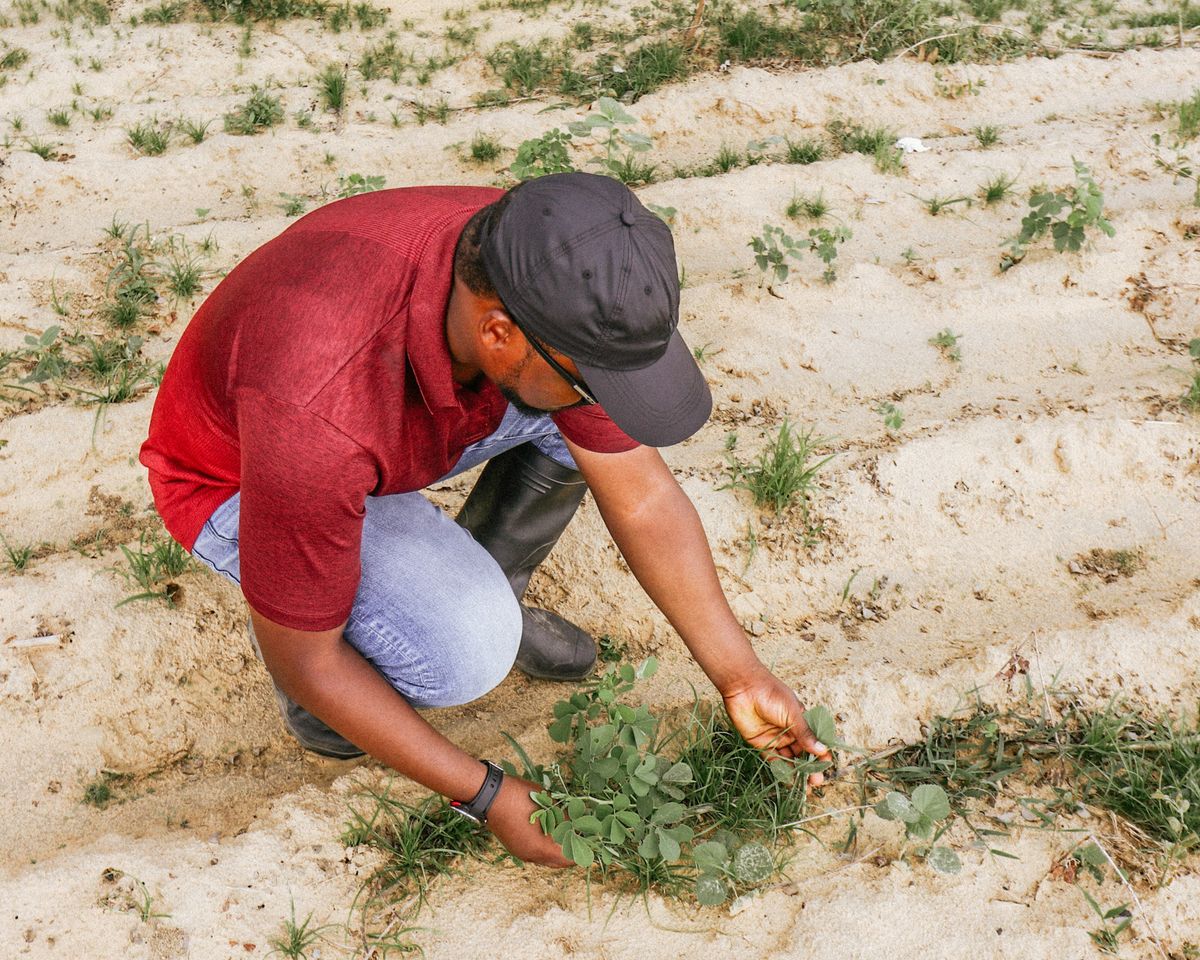
County extension officers can assist with identifying crop pests and diseases in the field, advising on locally appropriate crop varieties, connecting farmers with soil testing services, and providing updates on any county agricultural programs or subsidies currently available. They are a particularly useful resource for problems specific to a farmer's exact location and soil, which generic advice cannot always address.
How Green Revolution Farmers works with extension officers
As a registered CBO, we maintain a working relationship with the local county extension office, which allows us to invite officers to speak at member training sessions and to refer individual members with specific problems directly to an officer rather than each household needing to make first contact alone.
This relationship is one of the practical advantages of registration discussed in our earlier post on CBO status — an unregistered informal group would find it considerably harder to establish this kind of ongoing institutional relationship.
How members can access this directly
Members are also encouraged to visit or contact the local county agricultural office directly for issues that arise between our scheduled sessions, since extension officers are a public service available to any resident farmer, not only members of an organized group. We simply try to make that first connection easier for members who might otherwise not know where to start.
What information to have ready before contacting an officer
Members reaching out to a county extension officer for the first time get more useful help, more quickly, when they arrive with some basic information ready rather than a vague description of a problem. Useful details include roughly how long a problem has been present, what has already been tried, a rough description or, ideally, a photograph of an affected plant, and basic information about the growing conditions — sack, bed, or open ground, and roughly how much watering the plant has been receiving.
We now cover this preparation step directly in our training, since a member who arrives with this information ready generally gets a more specific, useful diagnosis from an officer than one who can only describe a plant as 'not looking right,' which is too vague for even an experienced officer to diagnose confidently without seeing the plant directly.
Extension officers as a source of updated information
Beyond troubleshooting individual plant problems, county extension officers are often the fastest way for members to learn about new government programs, subsidies, or policy changes affecting smallholder and urban farmers, since this kind of information reaches county offices before it necessarily reaches informal community channels. We treat our officers' training-session visits partly as an information channel for exactly this reason, not only as a technical troubleshooting resource.
Members who build a direct relationship with an officer, even a modest one through occasional contact, tend to hear about relevant opportunities — a subsidized input program, for example — earlier than members relying only on word of mouth through the wider community.
We would encourage any farmer reading this, whether a member of our organization or not, to make first contact with their local county extension office even before a specific problem arises. Building that relationship early means an officer already has some context on your plot when you do eventually need help with something urgent, rather than starting from zero during an actual crisis. We would also note that the quality of advice from an extension officer, like advice from any expert, benefits from a member being willing to ask follow-up questions and push back respectfully if guidance does not seem to fit their specific plot conditions, rather than accepting the first suggestion without discussion.
Key takeaways
- Nairobi County provides free agricultural extension advice that many farmers never use.
- Officers can help identify pests, advise on varieties, and connect farmers to soil testing.
- Our CBO registration lets us maintain an ongoing relationship with the local extension office.
- Any resident farmer, not just our members, can contact the county office directly.
Frequently asked questions
Is county extension advice really free?
Yes — it is a public service, and county extension officers are available to any resident farmer, whether or not they belong to an organized group.
How does Green Revolution Farmers work with extension officers?
We invite them to speak at member training sessions and refer individual members with specific problems directly to an officer.
How do I find my local extension office?
Your local county administration office can direct you, or you can ask us directly and we will point you to the right contact.
Is there a cost to using this partnership's referral pathway?
No — both the underlying county extension service and our referral coordination are provided at no cost to members.