Why rabbits fit an urban plot
Rabbits need dramatically less space than most other livestock options members consider, can be housed in stacked hutches that take up little more floor space than a single sack garden, and reproduce quickly enough that a small starting herd can grow into a meaningful source of meat and income within a single year. For households in Babadogo without room for even a modest poultry flock, rabbits are often the more realistic starting point.
Basic housing requirements
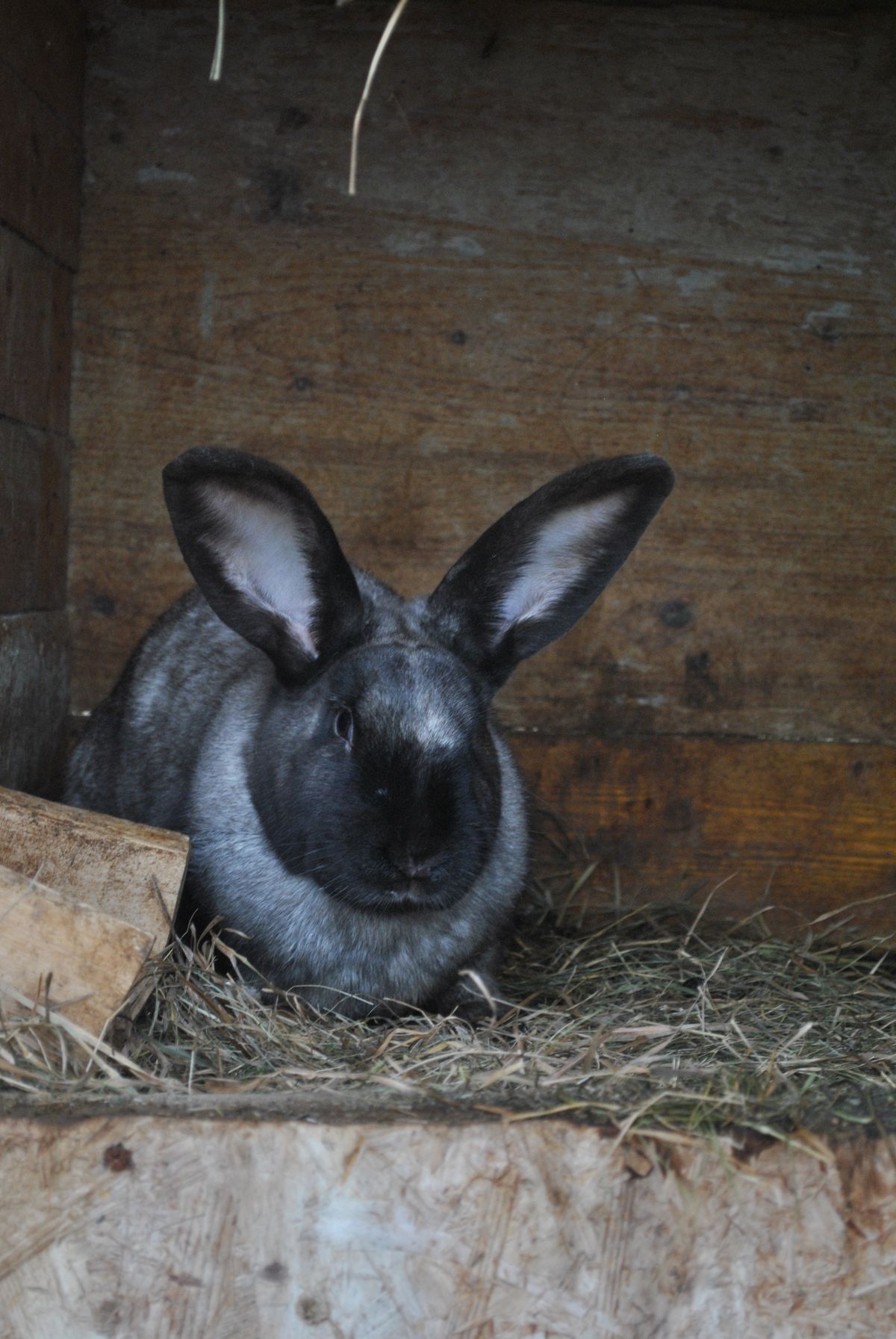
A simple raised hutch, built from timber offcuts and wire mesh, is enough to start, with good ventilation and protection from direct sun and rain being the two priorities members most often overlook. Hutches should be raised off the ground both to keep rabbits away from dampness and parasites and to make manure collection straightforward, since rabbit manure is an excellent addition to a household's composting system.
Stacking hutches vertically, similar in principle to the vertical farming structures covered in a separate article, lets members keep a growing herd within a genuinely small footprint, which is part of why rabbits pair particularly well with households already using vertical growing techniques for their vegetables.
Feeding and health basics
Rabbits feed well on a mix of fresh greens, including kitchen garden trimmings and outer leaves that would otherwise go straight to the compost bin, supplemented with a small amount of commercial pellet feed for balanced nutrition. This overlap with a household's existing kitchen garden waste is one of the more attractive features of rabbit keeping for members already running a sack garden.
Basic hygiene — clean water at all times, dry bedding, and regular hutch cleaning — prevents most common health problems, and we advise new keepers to separate any rabbit showing signs of illness immediately rather than risk it spreading through a small, closely housed herd.
Breeding and scaling a herd
A single breeding pair can realistically grow into a herd of twenty or more within a year given rabbits' short gestation period and typical litter sizes, which means new keepers should plan hutch space for growth from the very start rather than building only for their starting pair. We advise keeping detailed records of which does are the strongest breeders and culling underperforming stock over time, the same record-keeping discipline we teach for poultry.
Selling meat and building a market
Rabbit meat is not yet as widely eaten in Babadogo as chicken, which means members taking up rabbit keeping often need to spend some effort building buyer awareness rather than relying on an existing, obvious market the way poultry sellers can. Several members have found success selling directly to a small, loyal set of household buyers built up gradually through market day rather than trying to compete directly with established chicken and beef sellers from day one.
Comparing rabbits and poultry directly
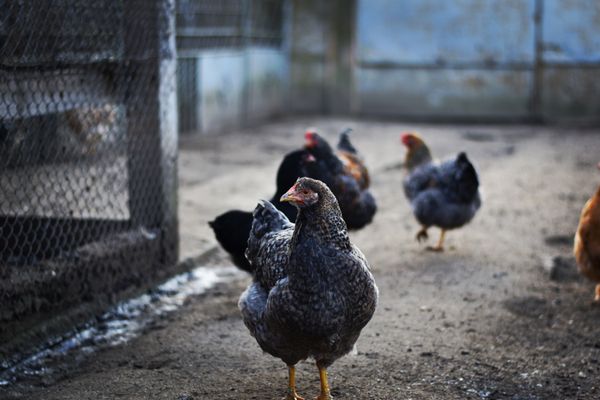
Members deciding between rabbits and poultry as a first livestock option often ask for a direct comparison. Poultry generally has a more established, immediate local market and produces a daily product — eggs — that rabbits do not match, while rabbits require less space and feed cost per animal and reproduce considerably faster, building a larger herd sooner from a smaller starting investment.
Neither option is strictly better for every household; the right choice depends on available space, whether a household values a daily product like eggs over a periodic one like rabbit litters, and how much effort a household is willing to put into building a market for a less familiar product like rabbit meat.
Rabbits will not suit every household — building buyer demand for rabbit meat takes more deliberate effort than poultry currently does in Babadogo — but for members with genuinely minimal space and an interest in livestock, they remain one of the lowest-footprint options we teach. We encourage interested members to visit an existing rabbit-keeping member's hutch before committing, which gives a much clearer sense of the actual daily routine than a description alone. We would add that members considering rabbit keeping are encouraged to visit an established rabbit-keeping member's hutch before committing, since seeing the actual daily routine and space requirements firsthand tends to answer more practical questions than a written description alone can, similar to our general advice around agroforestry and other longer-term commitments.
Key takeaways
- Rabbits need far less space than poultry or goats and can be housed in stacked hutches.
- A raised, well-ventilated hutch with dry bedding is enough to start.
- Rabbit manure feeds directly into a household's composting system.
- A single breeding pair can grow into a herd of twenty or more within a year.
Frequently asked questions
Is rabbit meat easy to sell in Babadogo?
Not as established a market as chicken yet — most successful sellers build a small, loyal set of buyers gradually rather than expecting immediate high demand.
What do rabbits eat?
A mix of fresh greens, including kitchen garden trimmings, supplemented with a modest amount of commercial pellet feed.
How much space does a starting pair actually need?
A single stacked hutch unit is enough to begin, though planning space for herd growth from the outset avoids needing to rebuild later.