Why poultry pairs well with a kitchen garden
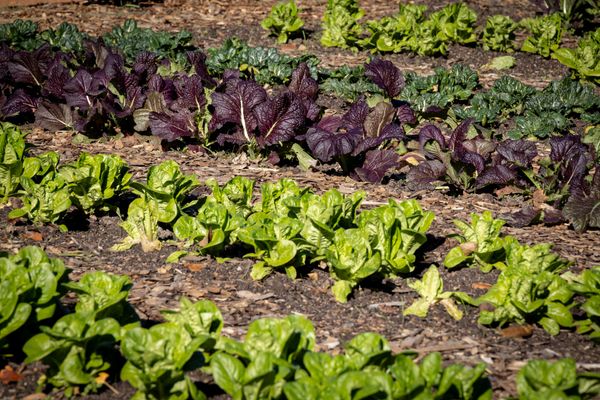
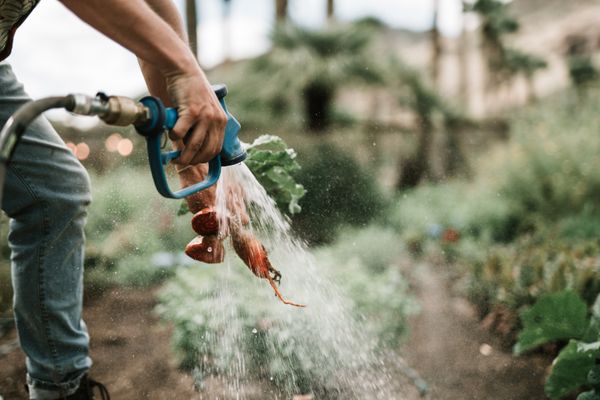
For members who have an established sack or kitchen garden, poultry is often the next practical addition, since it needs relatively little space, produces manure that feeds directly back into composting, and gives households a second, steadier income stream alongside vegetable sales.
Starting small and simple
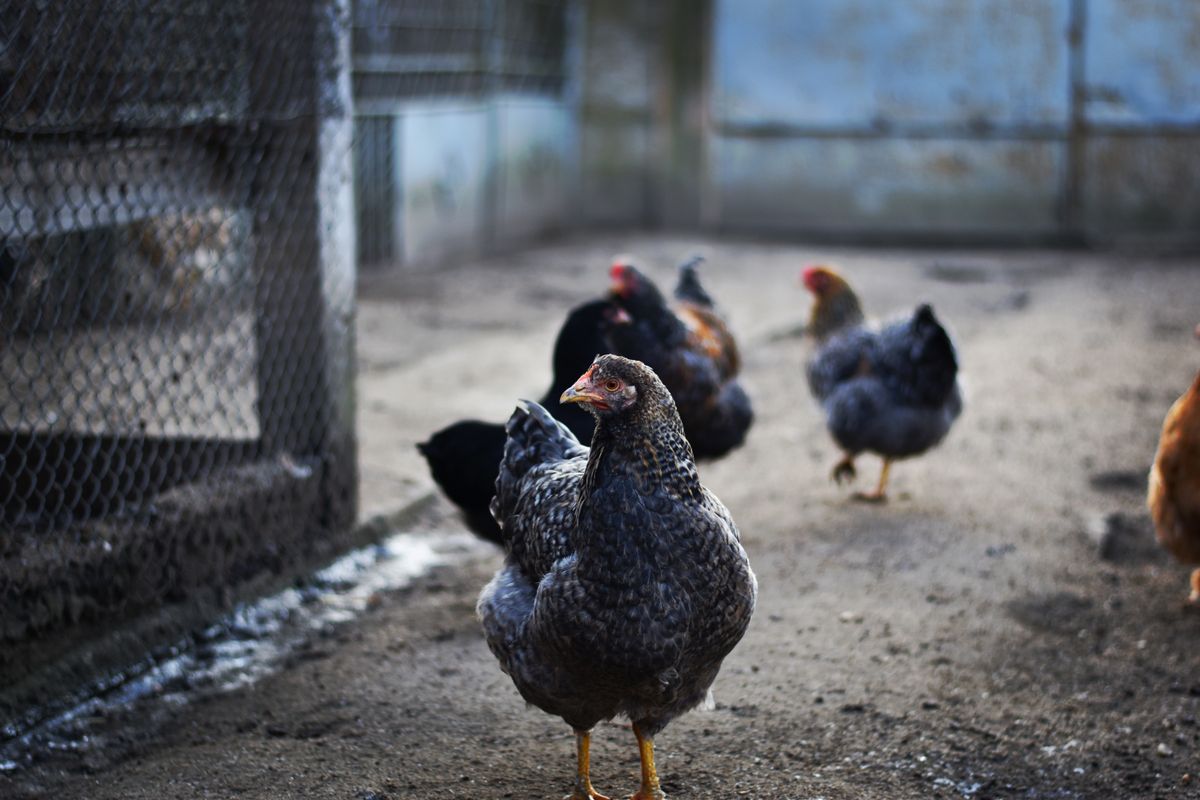
We advise new poultry keepers to start with a small flock of five to ten birds rather than a larger number, since it is easier to manage disease risk, feeding costs, and housing needs at that scale while learning the basics. A simple raised coop with good ventilation, dry bedding, and protection from rain and predators is enough to start — expensive equipment is not necessary for a beginner flock.
Feeding, health, and record-keeping
Feed is usually the largest ongoing cost in poultry keeping, and many members supplement commercial feed with kitchen scraps and greens from their own garden, which lowers cost without compromising bird health when done in sensible proportions. Clean water, available at all times, matters as much as feed quality.
Basic vaccination against common poultry diseases, coordinated with a local agrovet or extension officer, is one of the few areas where we discourage members from improvising. A single disease outbreak in an unvaccinated flock can wipe out months of investment in a matter of days.
We also encourage new keepers to track simple records from day one — feed cost, egg counts, and any losses — since these numbers are what eventually tell a member whether their flock is actually profitable, rather than relying on impression alone.
Scaling up carefully
Once a beginner flock is stable and the household has a feel for the routine, scaling up is usually a matter of adding birds gradually rather than doubling the flock size overnight, giving housing, feeding routines, and disease management time to keep pace with the larger flock.
Common early mistakes with a first flock
Beyond the vaccination risk already covered, several other mistakes recur among first-time poultry keepers. Overcrowding a coop built for five birds with ten or more is a common one, since crowded conditions increase both disease transmission and stress-related problems like feather pecking. Underestimating ongoing feed cost is another — new keepers sometimes budget for the initial birds and housing but not for the sustained weekly cost of feed, which is the largest recurring expense in poultry keeping and needs to be planned for from the start rather than discovered partway through.
A third common mistake is delaying the separation of a sick bird, hoping a mild symptom will resolve on its own. We advise immediate separation of any bird showing reduced appetite, lethargy, or visible illness, since the cost of being wrong about a bird that turns out to be healthy is far lower than the cost of being wrong about a bird that turns out to be contagious.
Choosing a breed suited to Babadogo conditions
Not every poultry breed performs equally well in Babadogo's specific conditions, and we generally steer new keepers toward hardier, dual-purpose breeds well suited to smallholder conditions over more specialized commercial breeds bred primarily for intensive, closely managed systems. These hardier breeds tend to tolerate the more variable feeding and housing conditions of a beginner's first flock better, even if their egg or meat output is somewhat lower than a specialized commercial breed under ideal conditions.
Members can source appropriate starting stock through local agrovets or, increasingly, through other members who have successfully bred a hardy flock themselves, which has the added advantage of stock already proven to perform reasonably well under the exact conditions a new keeper will be working with.
Poultry keeping rewards patience more than most other activities we teach. The first flock rarely runs perfectly, and most experienced keepers among our members report at least one early loss they learned from rather than a smooth start from day one. Starting small, keeping good records, and staying disciplined about vaccination is what separates members who are still keeping birds profitably years later from those who gave up after a single bad season. We periodically update our poultry training based on what members report from their own flocks, including which local feed suppliers offer the most reliable quality and which simple housing modifications have made the biggest difference to bird health during Nairobi's cooler months. This ongoing feedback loop between member experience and training content is, in our view, what keeps the guidance genuinely useful rather than static.
Key takeaways
- Start with five to ten birds rather than a larger flock while learning.
- A simple raised, well-ventilated coop is enough — expensive equipment isn't necessary.
- Vaccination coordinated with an agrovet or extension officer is not worth improvising on.
- Track feed cost, egg counts, and losses from day one to know real profitability.
Frequently asked questions
How much space does a beginner flock need?
A simple raised coop with good ventilation and protection from rain and predators is enough for five to ten birds — no large plot required.
What is the biggest mistake new poultry keepers make?
Skipping vaccination to save money. A single disease outbreak in an unvaccinated flock can wipe out months of investment within days.
Can poultry and a kitchen garden share the same small plot?
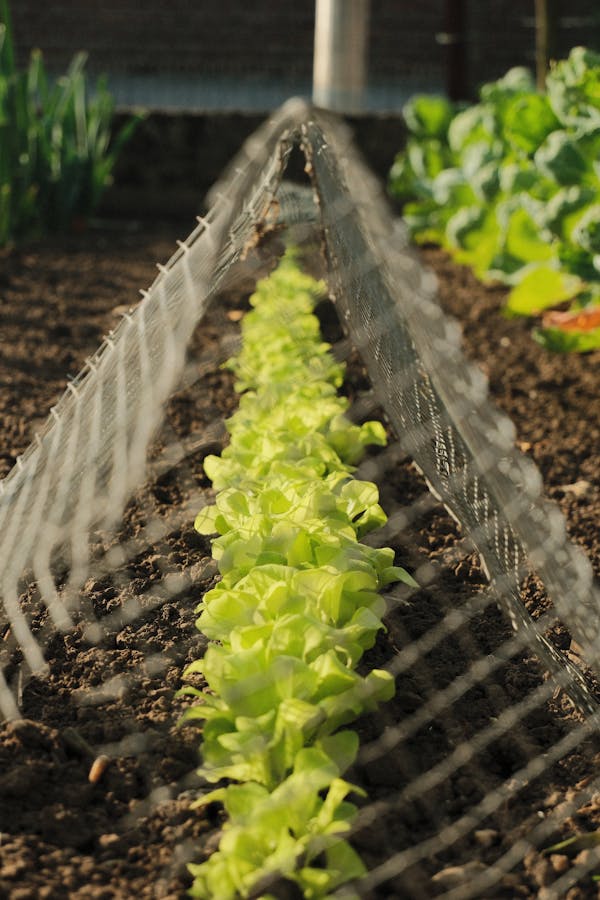
Yes, and they complement each other well — poultry manure feeds directly into composting, provided birds are kept away from actively growing beds.