Why we publish this every year
As a registered Community Based Organization, transparency about what we have actually achieved is not optional, and a yearly summary is one of the clearest ways we can be held accountable by members, partners, and anyone considering supporting our work. This report covers the twelve months of 2025.
Training and membership growth
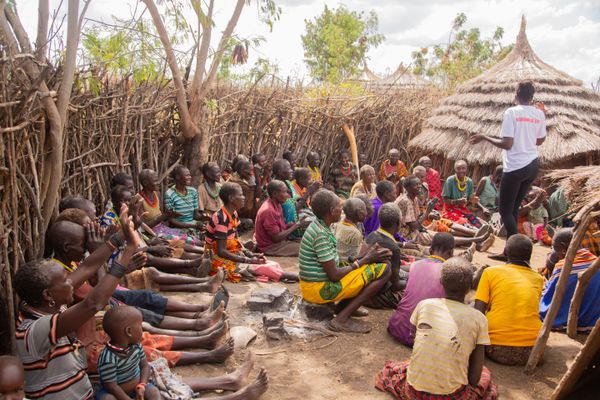
Across 2025, we ran regular training sessions covering our core curriculum — sack gardening, composting, soil health, water conservation, and pest management among them — reaching both existing members refreshing their skills and new members joining the organization for the first time. Our youth-in-agriculture track, in its most active year yet, brought a noticeably younger cohort into regular training attendance.
Savings groups and financial programs
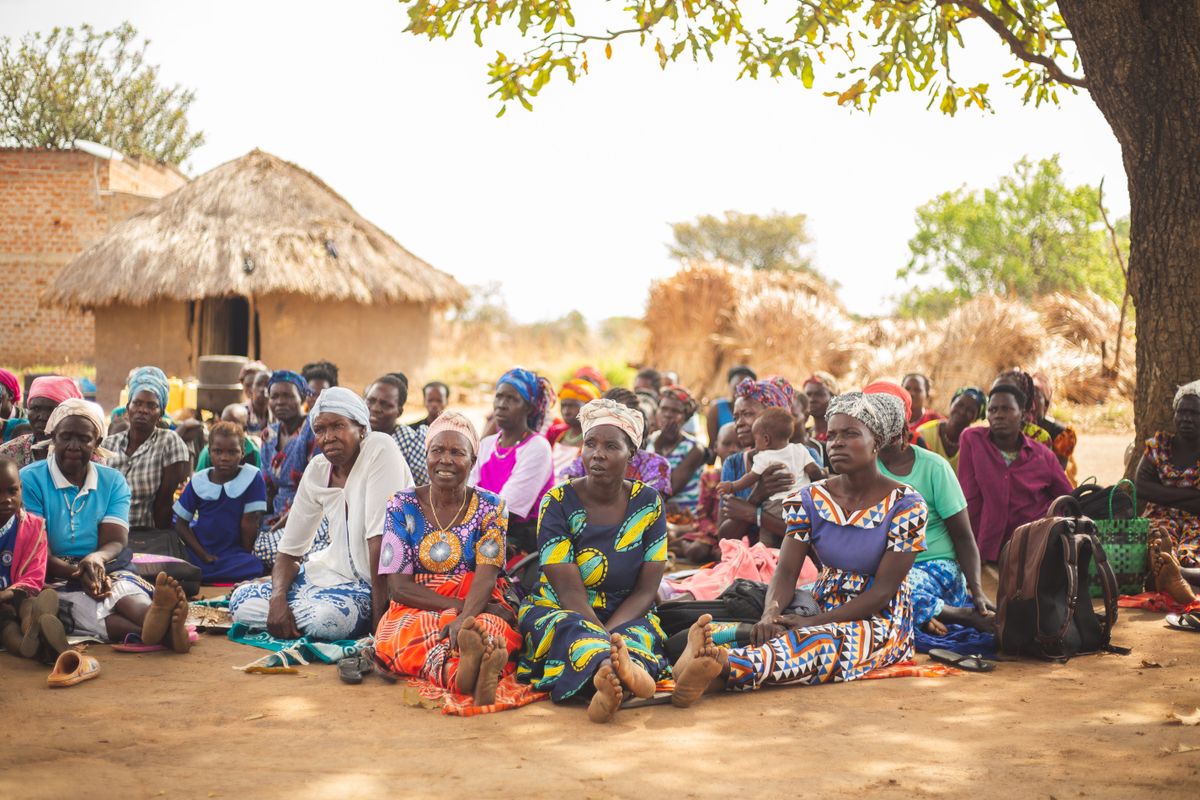
Our table banking savings groups continued operating across the year, with several new groups forming among members who had not previously participated in a savings group. Financial literacy sessions, paired with the savings groups, remained among our best-attended training topics, reflecting how directly relevant members find the material to their own household budgeting.
Where we still need to improve
Not every program performed as strongly as we would like. Attendance at some of our more technical sustainability sessions — agroforestry in particular — lagged behind our more immediately practical sessions like sack gardening, suggesting we need to do a better job connecting the longer-term benefits of these techniques to members' more immediate concerns.
We are also aware that our reach, while meaningful within Babadogo and Kariobangi North specifically, remains modest relative to the wider need across Ruaraka Sub-County, and expanding that reach responsibly, without outrunning our volunteer training capacity, remains our central planning challenge heading into the next year.
Full financial detail
A full financial breakdown accompanying this report is available on our Transparency page, consistent with our commitment to publishing not just program outcomes but the underlying spending behind them.
How this report was compiled
This report draws on training attendance records kept by session leaders, savings group ledgers maintained by each table banking group's own treasurer, and informal surveys of members conducted through the year rather than a single formal end-of-year data collection exercise. We are candid that this method has real limitations — attendance and impact are not tracked with the rigour a larger, professionally staffed organization might apply — but we believe an honest report built on the records we actually keep is more useful to members and supporters than a more polished-looking report built on data we do not genuinely have.
As the organization continues to grow, improving the consistency and rigour of our own internal record-keeping, in exactly the spirit of the financial literacy training we ask of our members, is itself one of our ongoing priorities heading into the coming year.
Comparing 2025 to previous years
While this report focuses on 2025 specifically, members and supporters often ask how the year compares with previous ones. In broad terms, training attendance and the number of active table banking groups both continued the steady, gradual growth pattern we have seen in most years since registration, without any single dramatic jump or decline. We view this steady pattern positively — a sudden large jump in a single year is sometimes a sign of unsustainable, poorly supported growth rather than genuine, durable expansion.
We intend to include a clearer year-over-year comparison in future reports as our own internal record-keeping continues to improve, giving members and supporters a more precise sense of trend rather than only a single year's snapshot.
We publish this report not because every number tells a flattering story, but because an honest yearly account, including the areas where we fell short, is what genuine accountability to our members and supporters actually requires. We will publish the same kind of honest account again next year, whatever that year's numbers turn out to show. We invite any member or supporter with questions about specific figures in this report, or suggestions for what future reports should also cover, to reach out through our Contact page — this report is meant to inform genuine accountability conversations, not simply to be published and filed away unread.
Key takeaways
- 2025 training covered our full core curriculum across both new and existing members.
- The youth-in-agriculture track had its most active year yet.
- Several new table banking groups formed among previously unengaged members.
- Attendance at technical sustainability sessions lagged our more immediately practical sessions.
Frequently asked questions
Where can I see the financial detail behind this report?
A full financial breakdown accompanying this report is published on our Transparency page, alongside program outcomes.
What is Green Revolution Farmers' main challenge going into next year?
Expanding our reach across Ruaraka Sub-County responsibly, without outrunning our volunteer training capacity.
Will next year's report follow the same format?
Yes — we intend to keep publishing an annual report in this same honest, numbers-based format for consistency and comparability year to year.
Is this report independently audited?
Not by an external auditor at our current scale — it draws on our own internal records, which we report on transparently including their limitations.