Choosing crops for the dry stretch
Not every vegetable is worth the water it takes to keep alive during Nairobi's driest months. Based on several seasons of member experience, five crops consistently perform well with modest water input, making them a sensible core for any dry-season kitchen garden.
African nightshade and amaranth
Traditional African nightshade (managu) and amaranth are both indigenous leafy vegetables bred by generations of use for resilience rather than for maximum yield under ideal irrigation. Both tolerate short dry spells between waterings far better than many commercial leafy varieties, and both regrow after cutting, giving repeated harvests from a single planting.
Kale, spinach, and cowpea leaves
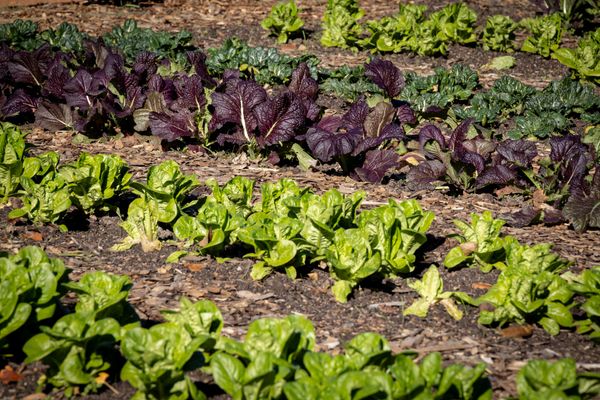
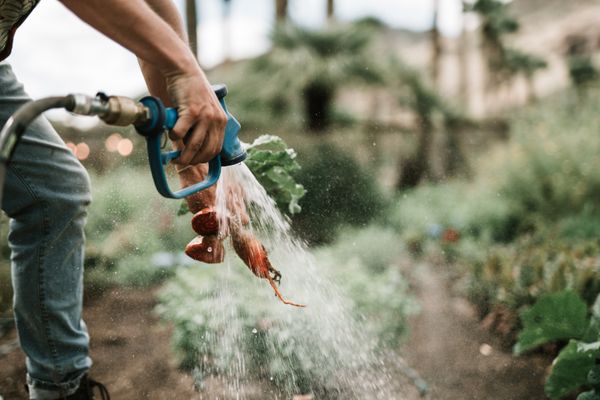
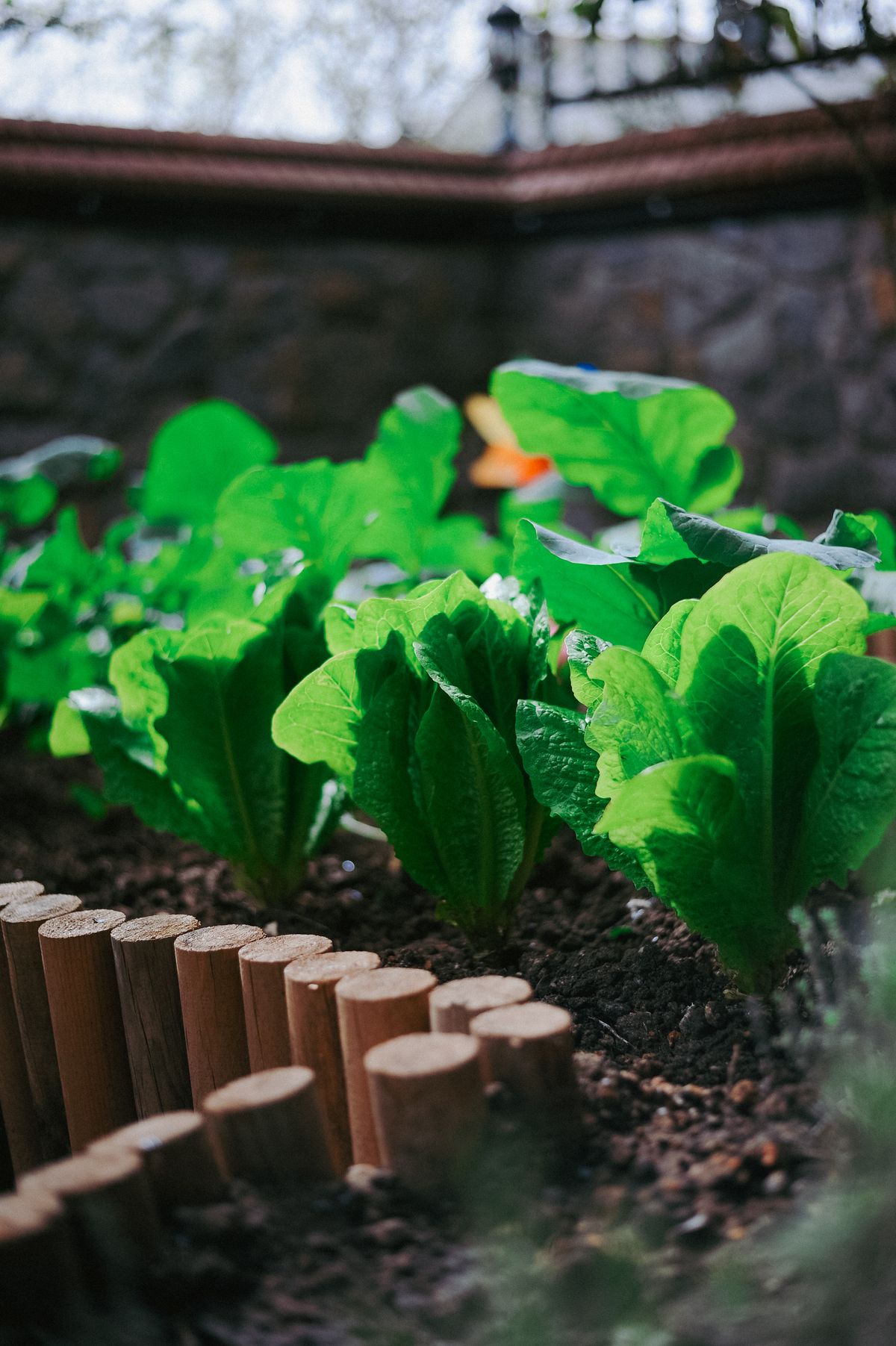
Kale remains a reliable performer through moderate dry stretches provided mulch is used to retain soil moisture, and it is the most commonly grown crop across our sack gardening members for exactly this reason. Spinach is somewhat more water-demanding than kale but still manageable with a consistent drip or gravity-fed watering routine.
Cowpea, grown for its leaves rather than the pod, is genuinely drought-tolerant once established and doubles as a soil-improving legume, fixing nitrogen back into the soil as it grows — a useful bonus for any bed or sack that will be replanted repeatedly.
Building a dry-season bed around these five
A bed or set of sacks built around these five crops, combined with the mulching and drip watering techniques covered elsewhere on this blog, can keep producing a meaningful harvest through Nairobi's driest stretches with a fraction of the water more demanding crops would require.
Combining these crops in a single planting plan
Rather than growing these five crops in isolation, several of our members combine them within a single bed or across a small set of sacks specifically to spread risk and diversify what is available to eat or sell at any given time. A common combination pairs kale and spinach, which need slightly more consistent watering, with African nightshade, amaranth, and cowpea leaves in adjacent beds or sacks that can tolerate longer gaps between watering if a household's attention or water supply is stretched during a particularly dry week.
This kind of deliberate mixing means a single missed watering or an unexpectedly long dry stretch is less likely to threaten a household's entire vegetable supply at once, since the more drought-tolerant portion of the planting continues producing even if the less tolerant portion struggles.
Sourcing seed for these specific varieties
Seed for African nightshade, amaranth, and cowpea is increasingly available through our own community seed bank, covered in a separate article, which has become a more reliable source for these specific indigenous varieties than general agrovet shelves, where hybrid commercial seed increasingly dominates. Members newer to growing these specific crops are encouraged to check the seed bank first before assuming they need to source seed elsewhere.
Kale and spinach seed remains widely and reliably available through ordinary agrovets and our group buying program, since these are more commonly grown, commercially available crops than the more specialized indigenous varieties the seed bank focuses on preserving.
These five crops are a starting point, not a fixed list, and members are encouraged to trial other locally available varieties alongside them once the basics are working well. What matters most is the underlying principle — favouring resilience and repeat-harvest ability over crops that demand consistent heavy watering — more than these five specific vegetables themselves. We would also mention that member experience with these five crops continues to refine our specific recommendations — a particular amaranth variety that has performed unusually well on a sandier plot, for example, gets folded back into what we suggest to other members facing similar conditions, making this list a living recommendation rather than a fixed and final one. Members are also welcome to bring a sample of an unfamiliar local variety to a training session for a trainer's opinion on its suitability before committing significant growing space to it. This kind of small, ongoing local refinement is, in our experience, what separates genuinely useful crop guidance from a generic list copied from a source with no connection to Babadogo's actual growing conditions.
Key takeaways
- African nightshade and amaranth are indigenous varieties bred for resilience over yield.
- Kale remains reliable through moderate dry spells when paired with mulching.
- Cowpea grown for its leaves is drought-tolerant and improves soil nitrogen.
- These five crops combined with mulching and drip watering suit Nairobi's driest stretches.
Frequently asked questions
Which vegetable is most forgiving for a first-time dry-season grower?
Kale, provided mulch is used to retain soil moisture — it is the most commonly grown crop across our sack gardening members for exactly this reason.
Does cowpea need special soil preparation?
Not particularly — as a legume it actually improves soil nitrogen as it grows, making it a useful addition to a bed or sack that will be replanted repeatedly.
Can these crops be grown together in the same sack?
Yes, and several members do exactly this to diversify what a single sack produces across a season.
What if none of these five crops appeal to my household's diet?
The underlying resilience principles still apply to other indigenous varieties — ask a trainer for guidance on alternatives suited to your household's preferences.