Why this focus matters
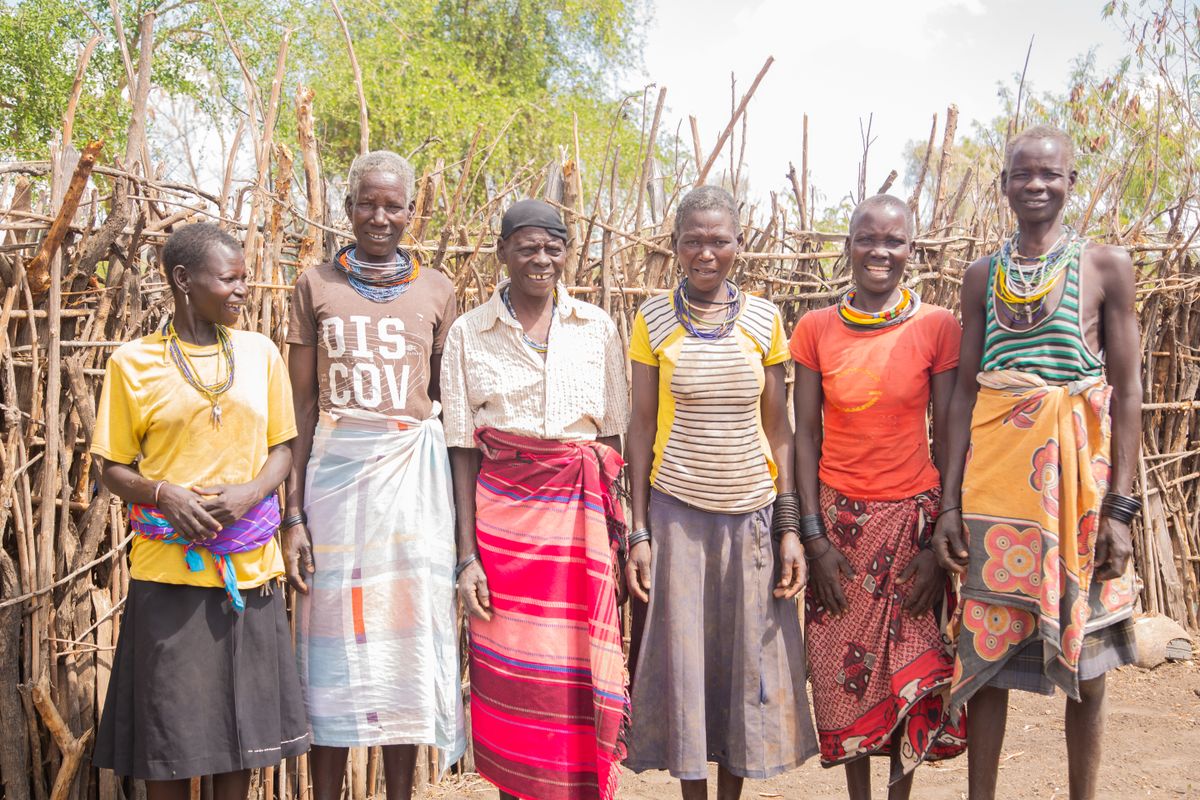
Across our membership, women make up a significant majority of active kitchen and sack gardeners, often managing the household's food production alongside other domestic and income-earning responsibilities. Yet women farmers frequently face narrower access to land title, formal credit, and agricultural extension advice than men in the same community — obstacles that have little to do with farming skill and everything to do with structural barriers.
How our programs address this directly
Our table banking savings groups are deliberately structured to be accessible without collateral or land title, which matters enormously for women members who may not hold formal title to the land they farm. Group-based lending, guaranteed by fellow members rather than by property, has let many women access working capital for the first time.
Training sessions are scheduled with an awareness of household responsibilities, and several of our most requested techniques — sack gardening, vertical structures, composting — were shaped directly by feedback from women members about what fits realistically into an already full day.
Leadership, not just participation
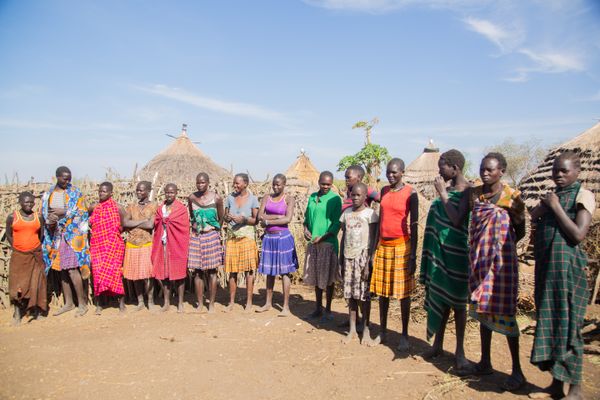
Beyond training and savings access, women hold a substantial share of leadership positions on our elected committee, shaping which programs get prioritized and how funds are allocated. This is a deliberate outcome, not an accident — an organization whose active base is majority women should reflect that in its leadership structure.
What this has meant in practice
Members who joined initially for a single training session — often sack gardening — frequently go on to join a savings group, then take on a leadership role within a year or two. That progression, from participant to leader, is one of the outcomes we are proudest of as an organization.
What members have told us directly
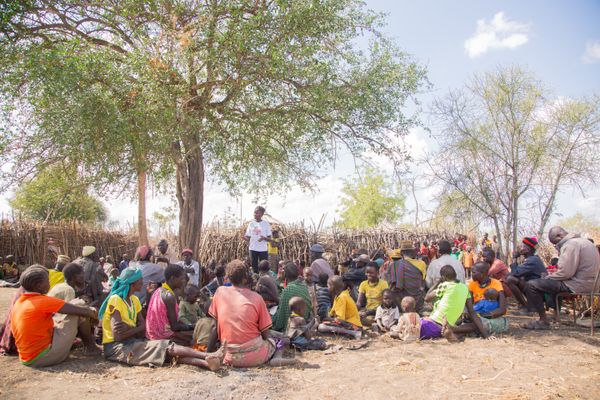
Rather than characterizing this impact only in our own words, we have made a point of asking women members directly, during training sessions and informal check-ins, what has actually changed for them. The responses cluster around a few recurring themes: a felt sense of financial independence, however modest, from having an income source that does not depend entirely on a spouse or other family member; increased standing in household financial decisions once a woman is visibly contributing income; and, for several members, a genuine surprise at discovering leadership capability they had not previously had occasion to exercise.
We take these accounts seriously as a measure of program impact alongside more easily counted figures like membership numbers or savings group totals, since the qualitative shift in a member's own sense of capability and standing is, in many respects, as important an outcome as the more visible ones.
How other members support this work
Male members of the organization play a supportive rather than incidental role in this work, and several have taken on responsibilities — helping with heavier physical tasks during a training demonstration, or covering a session so a woman trainer with childcare responsibilities can attend a scheduling conflict elsewhere — that make the wider program more workable for women members rather than leaving the responsibility entirely on women themselves to solve every scheduling or logistical challenge.
We see this as an important, if less visible, part of how the organization actually supports its women members in practice: not only through the programs designed specifically around their needs, but through a wider culture among all members of accommodating and actively supporting those needs.
None of this work is finished. Structural barriers around land title and formal credit access persist well beyond what any single organization can fully resolve, and we are candid about that limitation. What we can do, and continue to do, is build programs specifically designed around the realities our women members actually face, rather than assuming a one-size-fits-all training model serves everyone equally. We continue to look for additional ways our programs can better serve women members specifically, treating this as ongoing work rather than a finished initiative. Direct feedback from women members remains the main source of ideas for what to adjust next, consistent with how the sack gardening, vertical structure, and composting training itself was originally shaped by exactly this kind of member feedback.
Key takeaways
- Women make up a majority of our active kitchen and sack gardeners.
- Table banking is structured to be accessible without land title or collateral.
- Training schedules account for household responsibilities that fall disproportionately on women.
- Women hold a substantial share of leadership positions on our elected committee.
Frequently asked questions
Do I need land title to join a savings group?
No — our table banking groups use peer guarantees rather than property collateral, which was a deliberate design choice given how many women farmers lack formal land title.
Are training sessions scheduled around household responsibilities?
Yes, based directly on feedback from women members about what realistically fits into an already full day.
Are men welcome in these programs too?
Yes — our programs are open to all members; the design choices described here reflect the needs of our majority-women active base rather than excluding anyone.
How can someone support this specific focus without joining as a farmer?
Financial or in-kind support through our Donate page can be directed toward programs benefiting women members specifically — mention this preference when reaching out through our Contact page.