Why rotation matters even on a tiny plot
Crop rotation is usually described as a large-farm practice, something relevant to fields measured in acres rather than the single bed or handful of sacks most of our members work with. In practice, the same underlying logic applies at any scale: planting the same crop family in the same spot season after season depletes the specific nutrients that crop family draws on most heavily, and it lets pests and diseases that target that crop build up in the soil undisturbed.
A member growing kale continuously in the same bed for several seasons in a row will typically see yields decline and pest pressure increase, even with good composting and watering, simply because the bed has not had a break from that crop family. Rotation is the single change that addresses this without requiring any new inputs at all.
Grouping crops into simple families
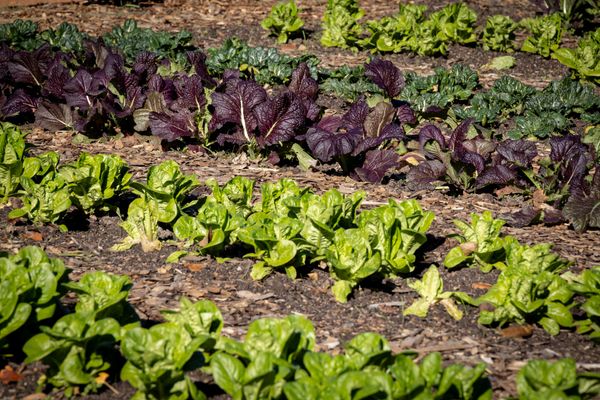
For members without agricultural training, we simplify rotation into three broad groups that are easy to remember: leafy vegetables (kale, spinach, amaranth, African nightshade), legumes (beans, cowpeas, groundnuts), and fruiting vegetables (tomatoes, peppers, eggplant). A simple three-season rotation moves a bed through one group at a time before returning to the first.
Legumes are particularly valuable in this rotation because they fix nitrogen into the soil as they grow, effectively feeding the bed for whichever crop follows. A bed of beans grown between two seasons of kale leaves noticeably richer soil behind it than two consecutive seasons of kale alone.
Rotating in a small sack garden
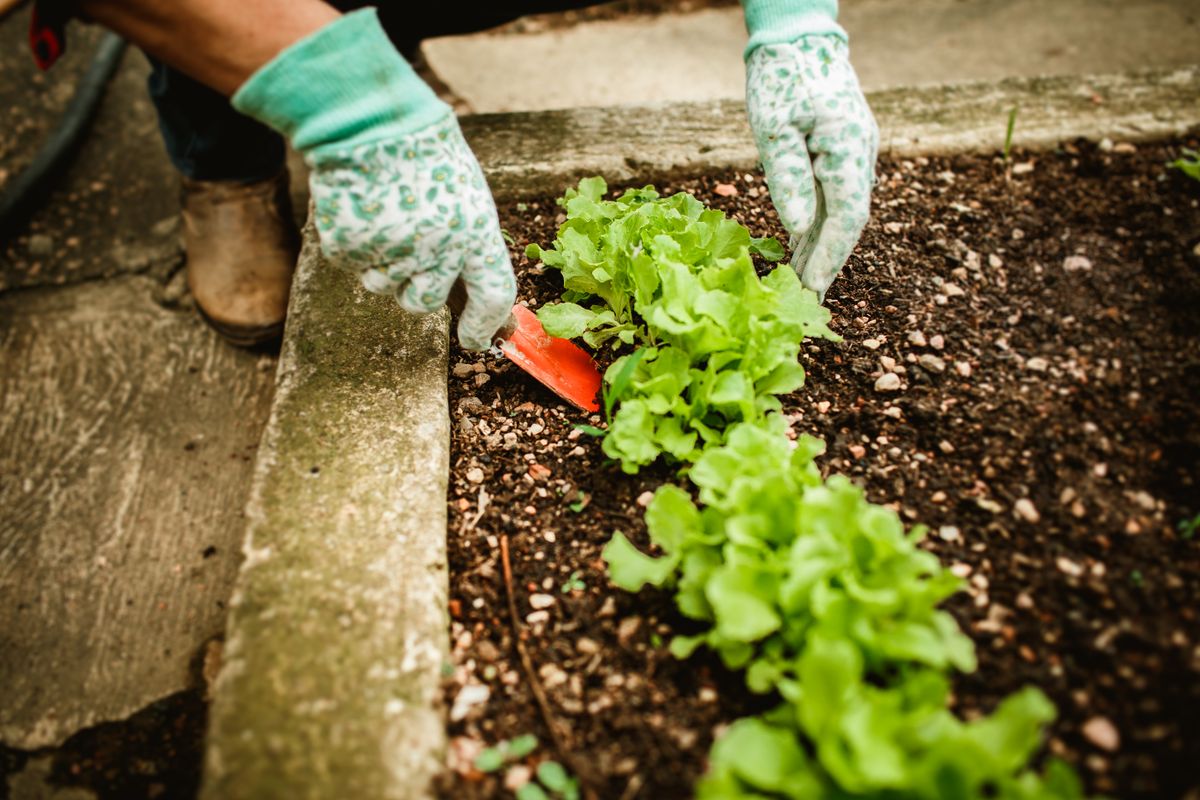
Members working with sack gardens rather than open beds can apply the same principle by refreshing the sack's soil mix between crop families rather than planting the same crop into the same sack indefinitely. Adding fresh compost and rotating which crop family goes into which sack, even across just two or three sacks, achieves much of the same benefit as a full bed rotation.
This does mean planning a season or two ahead rather than simply replanting whatever grew well last time, which is the main adjustment members need to make when they first adopt rotation.
Combining rotation with other soil practices
Rotation works best alongside the composting and soil health practices covered elsewhere on this blog rather than as a replacement for them. A rotated bed that never receives organic matter will still decline over time, just more slowly than an unrotated one; a bed that receives both consistent compost and sensible rotation is where our members see the strongest, most durable yields season after season.
We introduce rotation planning as part of our general soil health training, usually once a member has one or two seasons of composting experience already under their belt, since rotation is easier to plan once a household already has a working sense of what grows well where on their specific plot.
Keeping a simple rotation log
Members adopting rotation for the first time benefit from a simple written log — which crop family occupied which bed or sack in which season — since memory alone becomes unreliable once a household is managing more than one or two growing areas across multiple seasons. This log can be as simple as a page in the same notebook used for financial record-keeping, requiring only a few minutes to update after each planting.
Over a year or two, this log becomes a genuinely useful planning tool in its own right, letting a member see at a glance what a given bed or sack has grown recently and what should logically come next, rather than needing to reconstruct that history from memory each planting season.
Rotation is one of those practices that costs nothing beyond a little planning, yet consistently shows up among the more experienced growers we work with as a habit that separates a bed producing well year after year from one that quietly declines. We introduce it once a member already has a season or two of composting experience, since rotation and organic matter addition reinforce each other rather than working as substitutes. We would finally note that rotation is one of the few techniques covered on this blog that costs nothing beyond planning discipline, which makes it, in our view, one of the best returns on effort available to any member regardless of how much money or space they have to work with.
Key takeaways
- Planting the same crop family repeatedly depletes specific nutrients and builds up pests.
- Group crops into leafy, legume, and fruiting families for simple three-season rotation.
- Legumes fix nitrogen, effectively feeding whichever crop follows them.
- Sack gardens can rotate by refreshing soil and alternating crop families between sacks.
Frequently asked questions
Do I need a large plot to rotate crops meaningfully?
No — even a single bed or a few sacks can be rotated by alternating which crop family is planted each season.
How long should I wait before replanting the same crop family in a bed?
A full rotation cycle through the other groups first, generally covering two to three seasons, gives the best result.
Does rotation replace the need for compost?
No — the two work together; rotation alone will not fully sustain soil fertility without organic matter addition.